More than a mindset: The real-world factors that shape a teenager’s positive self-image
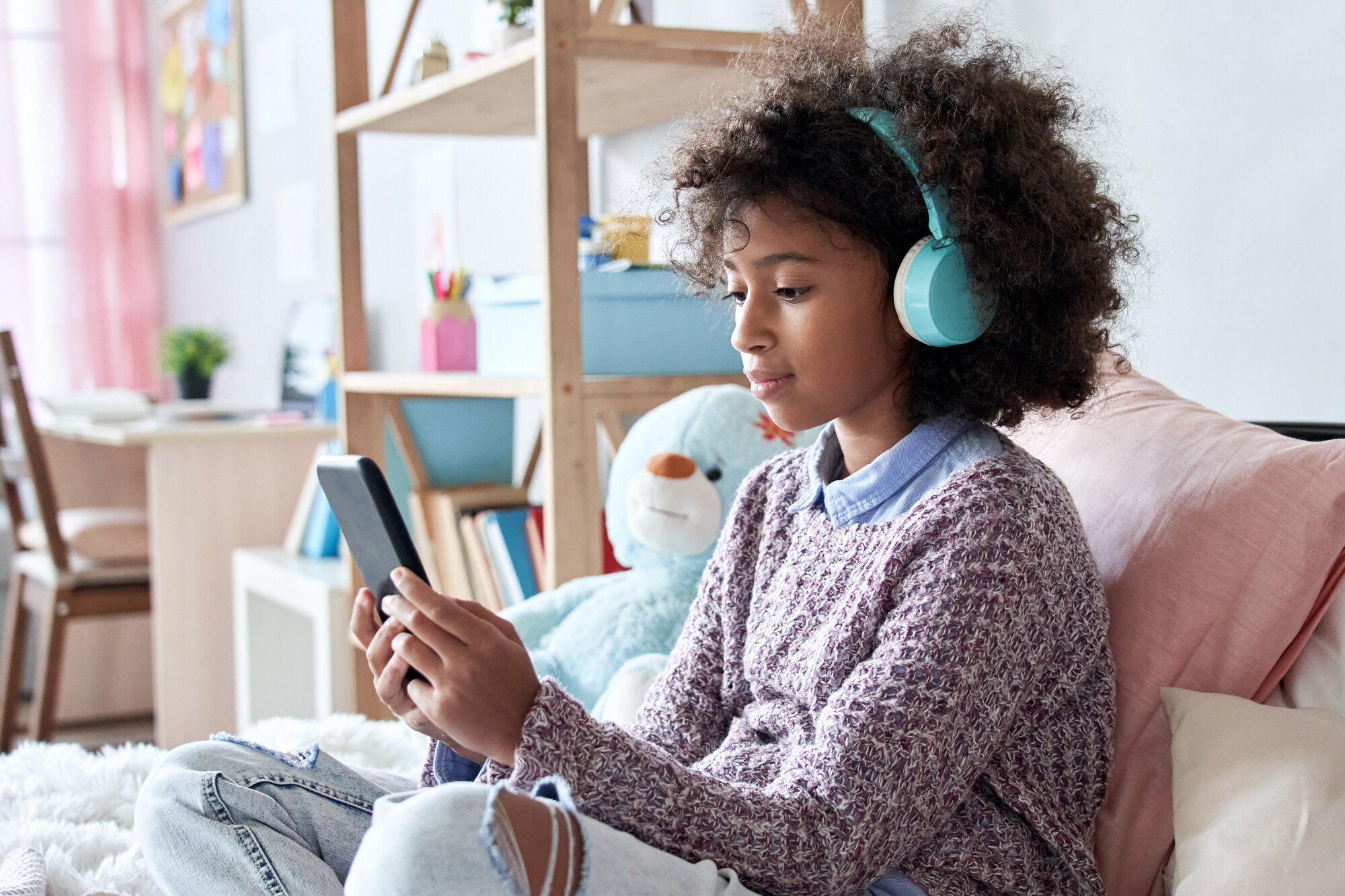
Cultivating a positive self-image as a teenager can be complex. Many factors influence self-image, including peer relationships and parental influence.
Why is self-image so important? It’s because it plays a key role in a teenager’s mental health. Social media is already a major factor in how teens see themselves, but real-world factors are often even more meaningful and worth monitoring.
What Is Teen Self-Image?
First things first: what does self-image mean for teenagers? Simply put, it’s how teens see themselves or think others see them. It encompasses aspects like:
- Abilities
- Intelligence
- Personality traits
- Physical appearance
A teenager who feels judged by peers may think of themselves as unattractive or awkward, even if they aren’t. Crucially, self-image isn’t a fixed identity.
It can shift wildly based on external feedback, media consumption, and so on.
Which Factors Shape a Teenager’s Self-Image?
Real-world factors affecting self-image come in many types and affect teens differently. That said, we can roughly sort them into three key categories:
1. Body Image
According to the University of Waterloo, 55% of teenagers struggle with a negative body image. Adolescence is a vulnerable time, and a single negative comment about appearance can have an outsized impact on a teen’s well-being.
Body image issues are particularly common in teens who experience rapid physical changes in puberty. Hormonal shifts also play a key role here.
2. Peer Relationships
Teenagers often feel compelled to act in a way that conflicts with their values to fit in with their peers. They often see their worth as being conditional on meeting specific standards or superficial qualities, but this is rarely true.
Both positive and negative relationships can drastically influence real-world teen development. Social dynamics are often very tricky to navigate at that age.
3. Family Environment
When it comes to positive teen influences, a teen’s family is crucial. A nurturing home environment can do wonders for their mental health. However, a lack of attention or constant criticism will damage their self-perception.
Parents should remember that even well-meaning comments can affect teens negatively. It’s best to support your child by embracing their uniqueness.
How to Promote Positive Self-Image in Teens?
Most parents want to help their children improve their self-image, but it’s important to do it right. We have two words for you: positive reinforcement.
First, create an environment that encourages teens to share their thoughts freely. Make it seem like their problems are your problems as well. For example, if they need braces for teens, make sure they know it’s not a big deal.
Also, help your teens develop media literacy. Many teens watch a copious amount of media without getting it. Some questions they should ask themselves are:
- Who benefits from promoting beauty standards?
- Is social media a realistic representation of life?
- How do I feel after spending time on a particular platform?
More on Teen Self-Esteem
Developing a positive self-image often involves shifting focus to personal growth rather than external validation. If your teenager needs help with this, let them know you’re there for them and encourage them to unplug regularly.
Want to know more about teenage confidence boosters? At Classix Philly 107.9, we have plenty of other content on how to raise a teen!