Mississippi Law Allowing Late Mail-In Ballots Upheld
Supreme Court Upholds Mississippi Law Allowing Late Mail-In Ballots
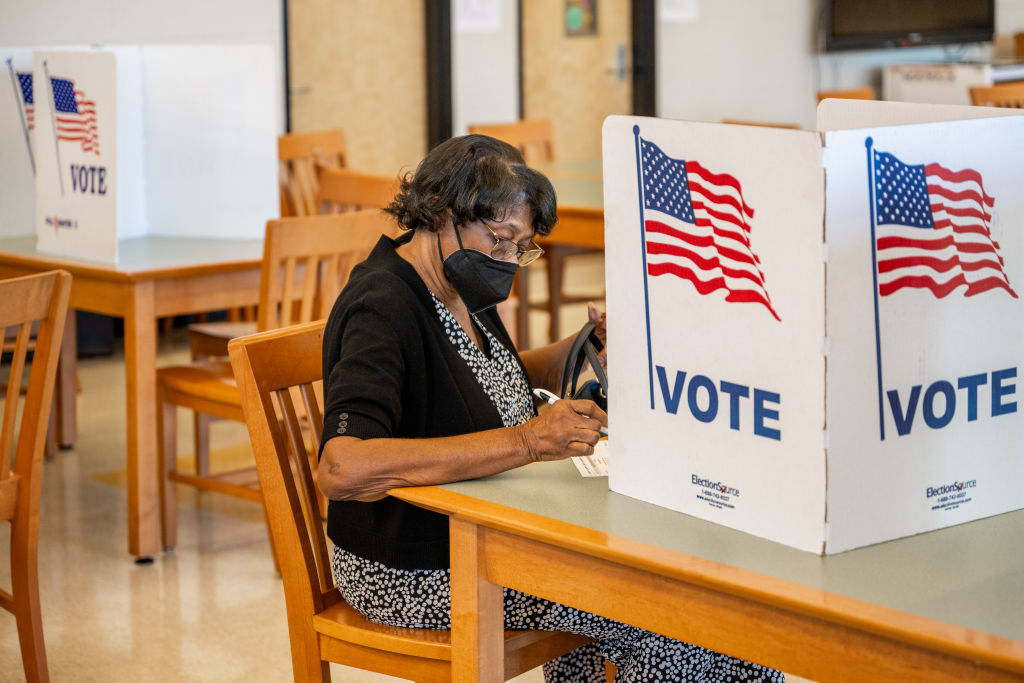
The Supreme Court has dealt yet another blow to President Donald Trump’s ongoing crusade against mail-in voting. On Monday, the court ruled 5-4 to allow Mississippi to enforce a state law granting a grace period for mail-in ballots postmarked by Election Day.
The New York Times reports that Mississippi allows for ballots postmarked by Election Day to be counted if they’re received up to five days after Election Day. The law was passed by Mississippi’s Republican-led state legislature during the COVID-19 pandemic, but is now being challenged by those very same Republicans. They argued that federal law states that Election Day is the final day ballots can be counted.
Those in support of the law argued that the Constitution places control of election laws with the states, an assertion that the court agreed with. The judges also expressed concerns that striking down the law would potentially open the floodgates for laws allowing early and mail-in voting for the elderly and disabled to be challenged. Chief Justice John G. Roberts Jr. and Justice Amy Coney Barrett were the two Republicans who joined the liberal judges in upholding the law.
This is only the latest L dealt to Trump and the GOP when it comes to mail-in voting. Earlier this year, Trump issued an executive order that placed significant restrictions on mail-in voting. It changed the accepted format of mail-in ballots, required states to send sensitive voter data to the federal government, and demanded that the United States Postal Service create a new rule that would punish states whose leaders refused to submit voter data.
Last week, Postmaster General David Steiner told a Senate committee that USPS would begin implementing a rule in July requiring postal workers to review mail-in ballots with a list of approved voters issued by the federal government. If states refused to submit voter data to the federal government, the USPS would refuse to deliver mail-in ballots for voters in that state.
That’s a pretty flagrant way of undercutting democracy, if I do say so myself. Thankfully, a federal judge agreed with that perspective and struck down Trump’s executive order on the basis that it blatantly violates the Constitution.
“The Constitution does not grant the President any specific powers over elections,” Judge Indira Talwani wrote in her ruling. “The Constitution reserves the power to determine voter eligibility to the States alone.”
As his crusade against mail-in voting keeps falling in court, Trump has now taken to issuing self-inflicted L’s. Last week, the Senate passed one of the most robust, affordable housing bills in decades. The bill has bipartisan support, should easily pass in the House, and will give the deeply unpopular Republican Party something to campaign on in the midterms. This should be a layup, right?
Nah.
Trump is refusing to sign the bill unless Congress first passes the SAVE America Act, a piece of legislation that would create more stringent Voter ID laws and impose restrictions on mail-in voting. Despite being repeatedly told by members of his own party that the bill doesn’t have the votes to pass, Trump is willing to torpedo one of the few positive accomplishments by his party to continue fighting a losing battle.
It’s almost like this dude doesn’t know how to win.
SEE ALSO:
New Postal Service Rule Would Withhold Mail-In Ballots
Supreme Court Weighs Grace Period Restriction On Mail-In Voting
Supreme Court Upholds Mississippi Law Allowing Late Mail-In Ballots was originally published on newsone.com