How nostalgia continues to drive the sports card market
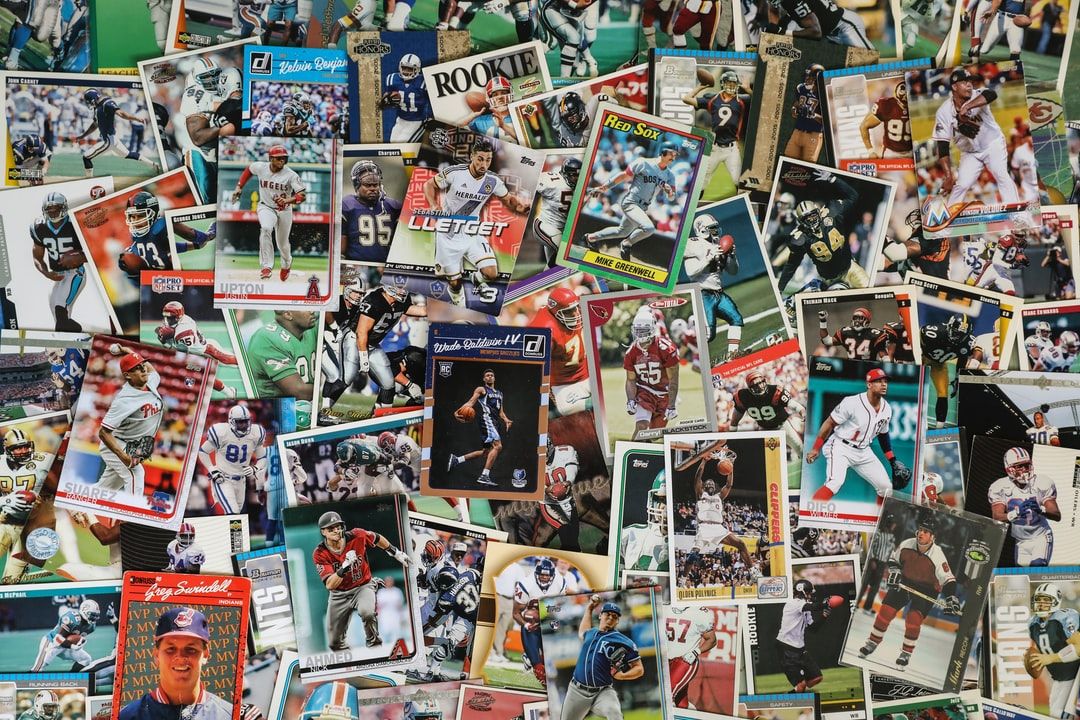
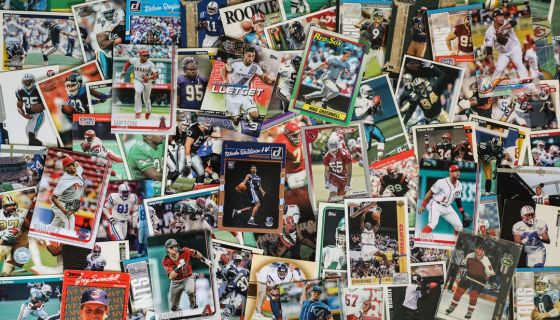
Nostalgia drives the sports card market by turning childhood memories and legendary athletes into assets collectors pay a premium for, often triggering price spikes tied to anniversaries, milestones, and player deaths. This emotional force, paired with scarcity engineering and rising investment demand, has pushed the hobby into a multi-billion-dollar business.
When a legendary player passes away, prices for their cards climb by roughly 20% and stay elevated for at least 60 days, according to a 2024 article published in the Journal of Sports Economics. That jump has nothing to do with supply. It happens because a memory suddenly feels sharper, more urgent, more worth holding onto.
Why Does Nostalgia Have Such Power Over Card Prices?
Cards work as small physical reminders of a specific time in a person’s life, and that connection tends to be worth quite a lot to collectors. Many buyers today grew up collecting in the 1990s and now have the money to chase players they once admired from a distance.
Vintage Cards: The Boutique, Stable Segment
Vintage cards, usually meaning anything printed before 1980, still hold a special place in the market, even as modern cards take up more shelf space. Grading companies report that older cards make up a fairly small share of what gets graded these days, yet a historical card market analysis usually shows those cards holding value more steadily than newer releases.
If you want to sell your baseball cards in Boston or any other city, vintage pieces typically attract steady buyer interest.
Nostalgia Futures: Betting On Tomorrow’s Legends
Some collectors buy today’s rookies with tomorrow’s memories in mind, betting a current star becomes an icon later on. May 2026 grading numbers from GemRate show most cards submitted now come from current seasons, which says a lot about where collector attention actually sits.
Scarcity Engineering And The Business Of Storytelling
Card makers build scarcity into products on purpose, using numbered runs and rare inserts to push prices higher, which tends to make a limited card feel more meaningful to the person holding it. Marketing around these products often leans on the idea of collecting a story, tying a single card to one moment or achievement.
A few scarcity features show up again and again across brands:
- Player inscriptions describing a specific achievement
- Low numbered parallels limited to a few hundred copies
- Special foil or color variants tied to milestones
Beyond Sports: TCGs, Pop Culture, And Digital Community
The trading card boom now reaches well past sports, with games like Pokémon pulling in huge numbers of collectors, too. Data from Sports Illustrated shows that non-sports trading card games make up more than half of all cards graded in recent times. Online creators sharing collectible card insights and sports card trends have made the hobby feel far more social than it used to be.
The Lasting Pull of Nostalgia in the Sports Card Market
Nostalgia continues to shape the sports card market, from six-figure vintage rookies to modern short prints designed to become tomorrow’s keepsakes. Prices respond to memory and meaning as much as to hard statistics, and that emotional connection shows no sign of fading.
Read more on our website for deeper insights into where collecting is headed next and how to make smarter moves with your own collection.